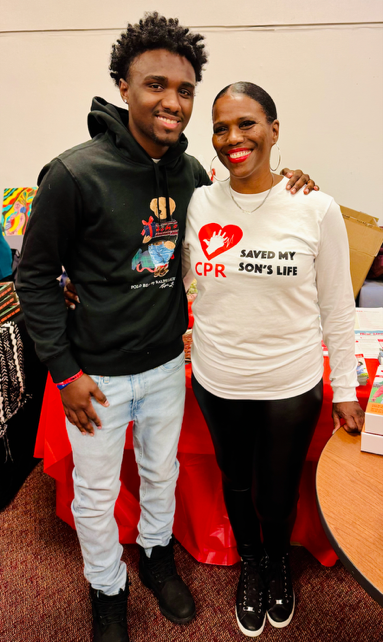
Kyle is gradually finding his voice by attending foundation and school events whenever he can, sharing his powerful story of survival and hope. Kyle has also become the inspiration for a children’s book entitled “Kyle the Heart Hero is a story about Kyle, a young cardiac arrest survivor who becomes a Heart Hero by teaching kids about CPR and emergency response. Through Kyle’s journey from patient to advocate, children learn how to recognize emergencies, call 911, and understand why CPR saves lives. The book includes fun heart facts and Kyle’s Heart Hero Challenge, inspiring kids to become lifesavers themselves.
The Kyle Strong Heart Foundation operates under the motto “Turning Pain Into Purpose.” He’s living proof that survival is possible when someone knows CPR, and now he’s dedicated to making sure more people have those lifesaving skills.


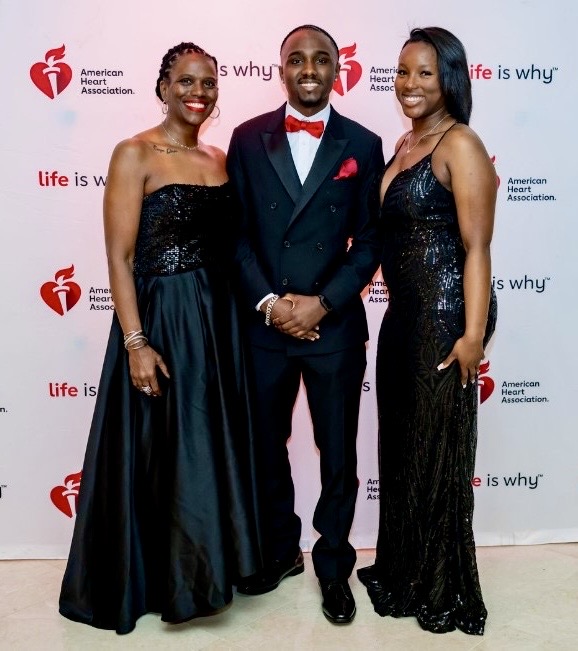
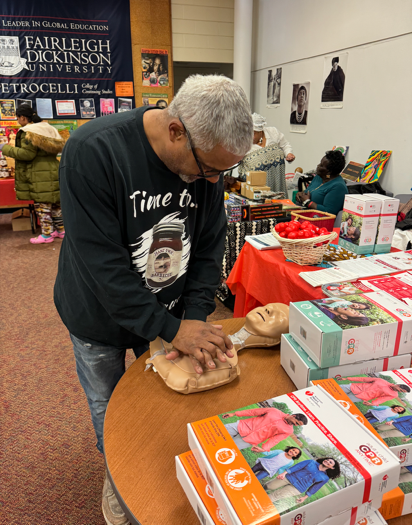
Kyle’s Strong Heart Foundation is dedicated to creating life-saving impact in our community. Founded in honor of Kyle’s amazing journey of survival in 2023. Our mission is to empower and educate others through CPR awareness, hands-only CPR training, and advocacy for greater AED access.
At our core, we are passionate advocates turning pain into purpose. We work side by side with schools, health organizations, and partners to equip more people with the knowledge and confidence to respond in cardiac emergencies. Every effort—from donating CPR kits to teaching life-saving techniques—builds a stronger, more resilient future for us all.
We believe the real measure of our work is lives saved and communities uplifted. Guided by our mission and your support, we continue adapting and growing to meet the urgent needs of those we serve.
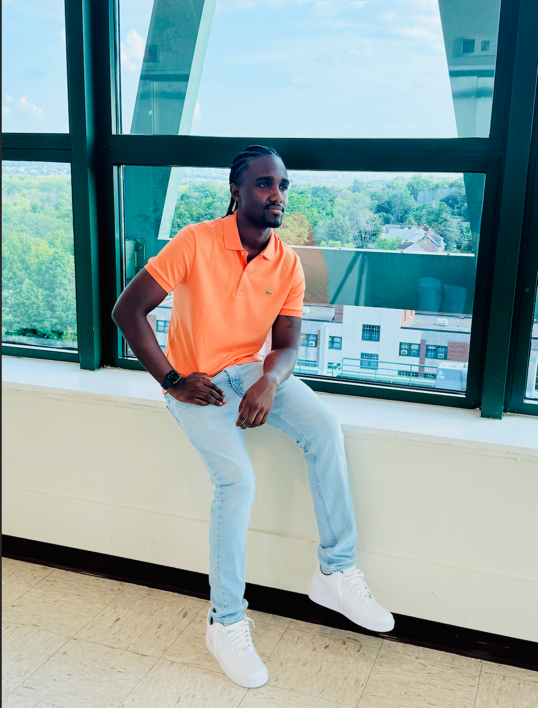
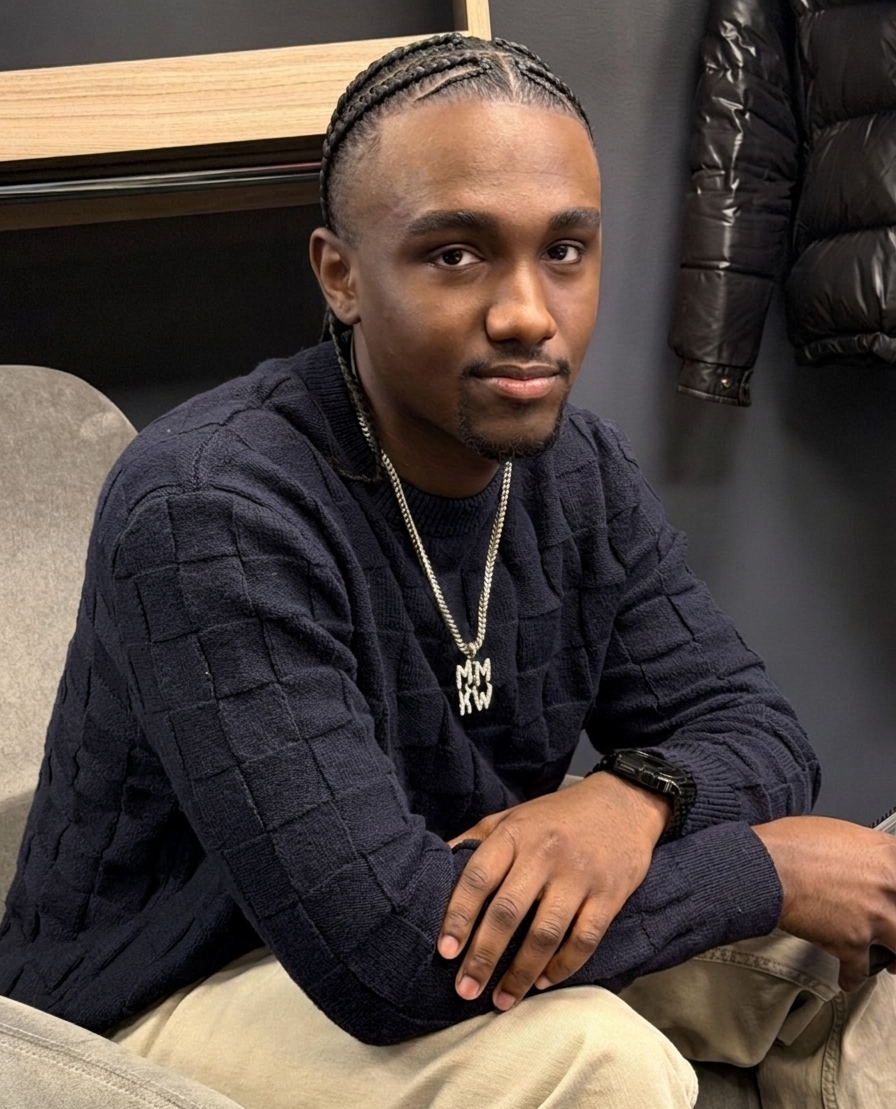
Kyle Hewlett is a 26-year-old from Hackensack, New Jersey, whose life changed forever when he survived cardiac arrest at age 24. A Hampton University graduate with a Bachelor of Science degree, Kyle was educated in the Hackensack public school system and has always been known for his mild manner, curiosity, respectfulness, and kindness—qualities that made his sudden cardiac emergency all the more shocking.
Today, Kyle channels his experience into purpose while maintaining a full and active life. He works as a Code Enforcement officer for the city of East Orange, co-owns Triple Double Juice Co. with his father—a fresh fruit and smoothie shop they opened during the COVID pandemic in 2020. But perhaps his most important role is as the inspiration behind Kyle’ s Strong Heart Foundation, where he’s turning his pain into purpose by advocating for CPR awareness and education. Kyle’s story proves that cardiac arrest can happen to anyone, at any age, but also demonstrates the incredible power of preparedness, quick action, and never giving up hope.
Today, Kyle channels his experience into purpose while maintaining a full and active life. He works as a Code Enforcement officer for the city of East Orange, co-owns Triple Double Juice Co. with his father—a fresh fruit and smoothie shop they opened during the COVID pandemic in 2020. But perhaps his most important role is as the inspiration behind Kyle’s Strong Heart Foundation, where he’s turning his pain into purpose by advocating for CPR awareness and education. Kyle’s story proves that cardiac arrest can happen to anyone, at any age, but also demonstrates the incredible power of preparedness, quick action, and never giving up hope.
It started as just another Sunday. Kyle left the juice bar feeling off—not sick exactly, just wrong in a way he couldn’t put into words. By the time his mother found him at home, that wrongness had settled into his chest like a weight he couldn’t shake.
“I can’t explain what’s wrong,” he told her, and those words sent chills down Eugenia’s spine. Her son, always articulate, always strong, couldn’t find the words for what his body was telling him.
The emergency room at Holy Name became their world. Normal EKG. Normal tests. But Kyle’s blood told a different story—his heart enzymes climbing like a fever that wouldn’t break. Dr. Angeli’s diagnosis came swift: myocarditis. In young, healthy people, it usually resolves in days. Usually.
But Kyle wasn’t following the script.
For two agonizing days, his body rejected everything. Food, water, hope—nothing would stay down. His heart enzymes continued their relentless climb, each number on the monitor a step further from the young man who had walked into that hospital.
Tuesday night brought a new terror: atrial fibrillation. His heart, already inflamed and struggling, began beating so fast and erratically it couldn’t pump blood properly. Dr. Angeli was finishing dinner at home when the call came. Something in the nurse’s voice made him drop everything and race back to the hospital.
“I knew something was really wrong,” he would later say. “He shouldn’t have developed Afib.”
Dr. Angeli walked into Kyle’s room just as the monitors went flat. Cardiac arrest. At 24 years old, Kyle’s heart simply stopped.
What followed were the longest 90 minutes of anyone’s life. A team of specialists took turns compressing Kyle’s chest 10,800 times, their hands the only thing standing between him and death. The defibrillator shocked his body six times—each jolt a desperate plea for his heart to remember how to beat.
“I remember being shocked three times,” Kyle would later recall. “It was the most painful thing I’ve ever experienced. After the third time, that was it. I don’t remember anything after that.”
But they remembered. Every compression. Every shock. Every moment they refused to give up on the young man whose body had given up on itself. For 90 minutes, they breathed life into him with their hands, their determination, their unwavering belief that 24 was too young for goodbye.
In those darkest hours, when Kyle’s family waited in agony and his medical team fought against time itself, something extraordinary happened. They didn’t just refuse to let him die—they refused to let him live anything less than a full life.
And in that refusal, Kyle’s Strong Heart Foundation was born. Because sometimes, the darkest hours create the brightest lights.
Every 90 seconds, someone in America suffers a cardiac arrest—and when it happens, every second counts. The statistics are sobering: survival rates outside of hospitals hover around just 10%, dropping by 5.5% with each passing minute without CPR or defibrillation. But here’s the incredible truth that gives us hope: bystander CPR can double or even triple a person’s chances of survival.
CPR isn’t just a medical procedure—it’s a bridge between life and death, a way to keep blood flowing to vital organs when the heart stops beating. It’s as simple as pushing hard and fast in the center of the chest to the rhythm of “Stayin’ Alive,” yet this basic skill has the power to bring someone back from the brink. When combined with an AED (Automated External Defibrillator), which can restart the heart with guided instructions that anyone can follow, these tools become a formidable team against sudden cardiac death.
The beauty of AEDs lies in their accessibility and simplicity. Found in schools, gyms, airports, and public spaces everywhere, these life-saving devices literally talk you through the process, making it possible for anyone—regardless of medical training—to help restart a heart. They’re designed for everyday heroes, for the teacher who finds a colleague collapsed in the hallway, the parent at a soccer game, the teenager who witnesses a stranger in distress.
Kyle Hewlett’s story proves that cardiac arrest doesn’t discriminate by age, health, or circumstance. At just 24, this healthy young man’s heart stopped for 90 minutes, requiring six defibrillator shocks and the relentless efforts of medical professionals who refused to give up. His survival wasn’t just luck—it was the result of people who knew what to do and had the tools to do it.
This is why CPR and AED awareness matters so deeply. It transforms ordinary people into potential lifesavers, turning moments of helplessness into opportunities for heroism. When we learn these skills, we don’t just gain knowledge—we gain the power to give someone their tomorrow back. We become part of a community of lifesavers, ready to step up when seconds matter most.
Because in those critical moments when someone’s heart stops, you don’t need a cape to be a hero. You just need to know what to do—and have the courage to act.